Fred Smith
The Visionary Artist of the Northwoods
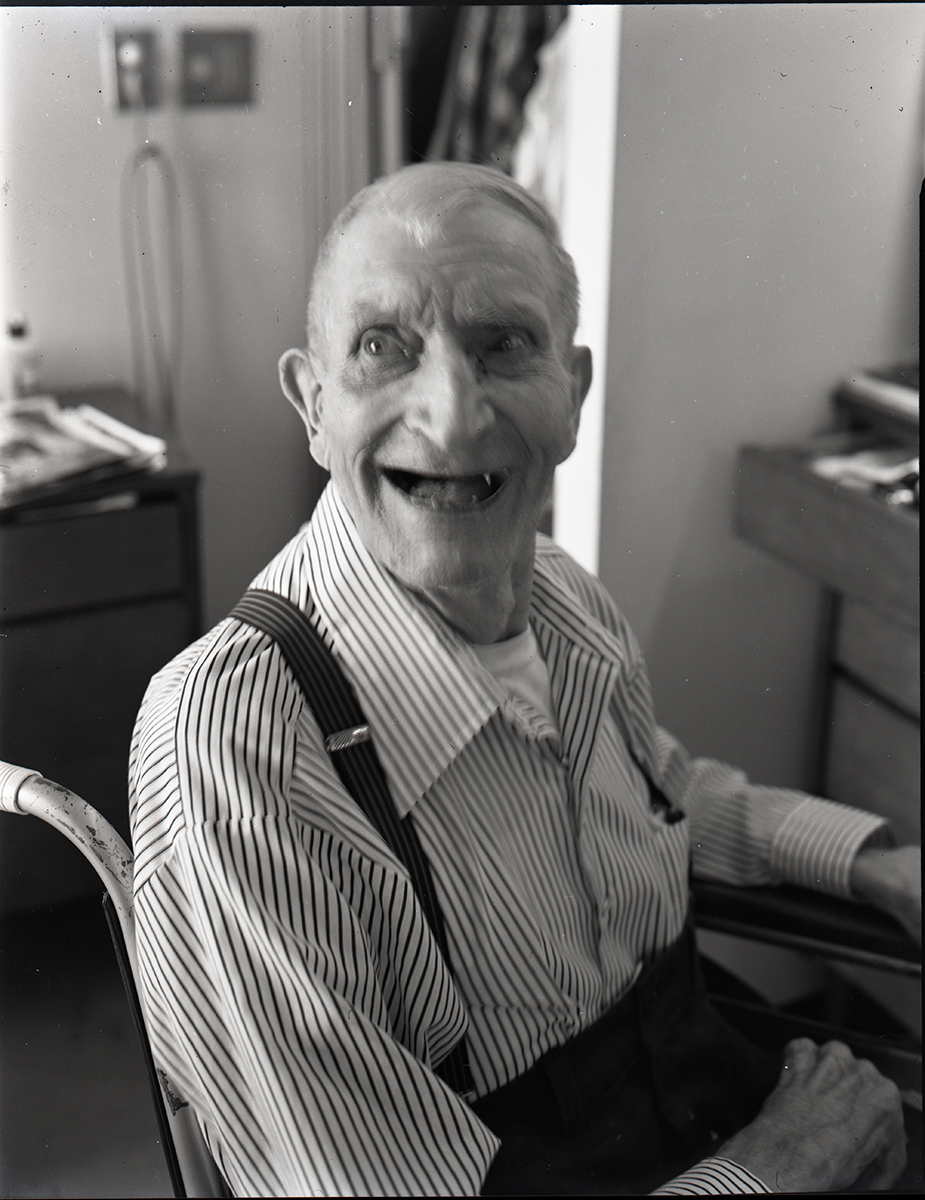
Fred Smith was a self-taught visionary artist and retired lumberjack who transformed his property in Phillips, Wisconsin, into the renowned Wisconsin Concrete Park. Despite having no formal education and remaining illiterate throughout his life, Smith spent his later years, beginning at age 62, creating a monumental collection of 237 life-sized and larger-than-life sculptures using concrete embellished with glass, stones, and mirrors. His work, which he described as coming to him "naturally," celebrates a vivid tapestry of American history, folklore, and local legends, featuring figures ranging from Paul Bunyan and Native American leaders to everyday pioneers and animals. Today, Smith is celebrated as a master of vernacular art, and his park stands as a testament to his belief that he could "do things other people can’t do."
Use the audio player below to listen to Fred playing his original music.
1886
Fred Smith was born on September 20, 1886, to immigrant German parents who settled in Ogema, Wisconsin, about 20 miles south of Phillips. He had no formal schooling, and was illiterate. In later life Smith was asked if he had been hindered by his inability to read or write, and he replied: “Hell no, I can do things other people can’t do!”
1900
Smith began work in lumber camps near Spirit, Wisconsin in his early teens, and continued to work in the woods, in winters, for about fifty years. For 99 cents per day, his beginning wage, Smith arose in the cold and dark, working with large horses and gigantic, hand-operated logging tools to cut and transport the giant pines. He said,
I made just that little bit of money and lived 5 kids and a woman on that money. Never made no debts, never! That goes to show what people can do!
1903
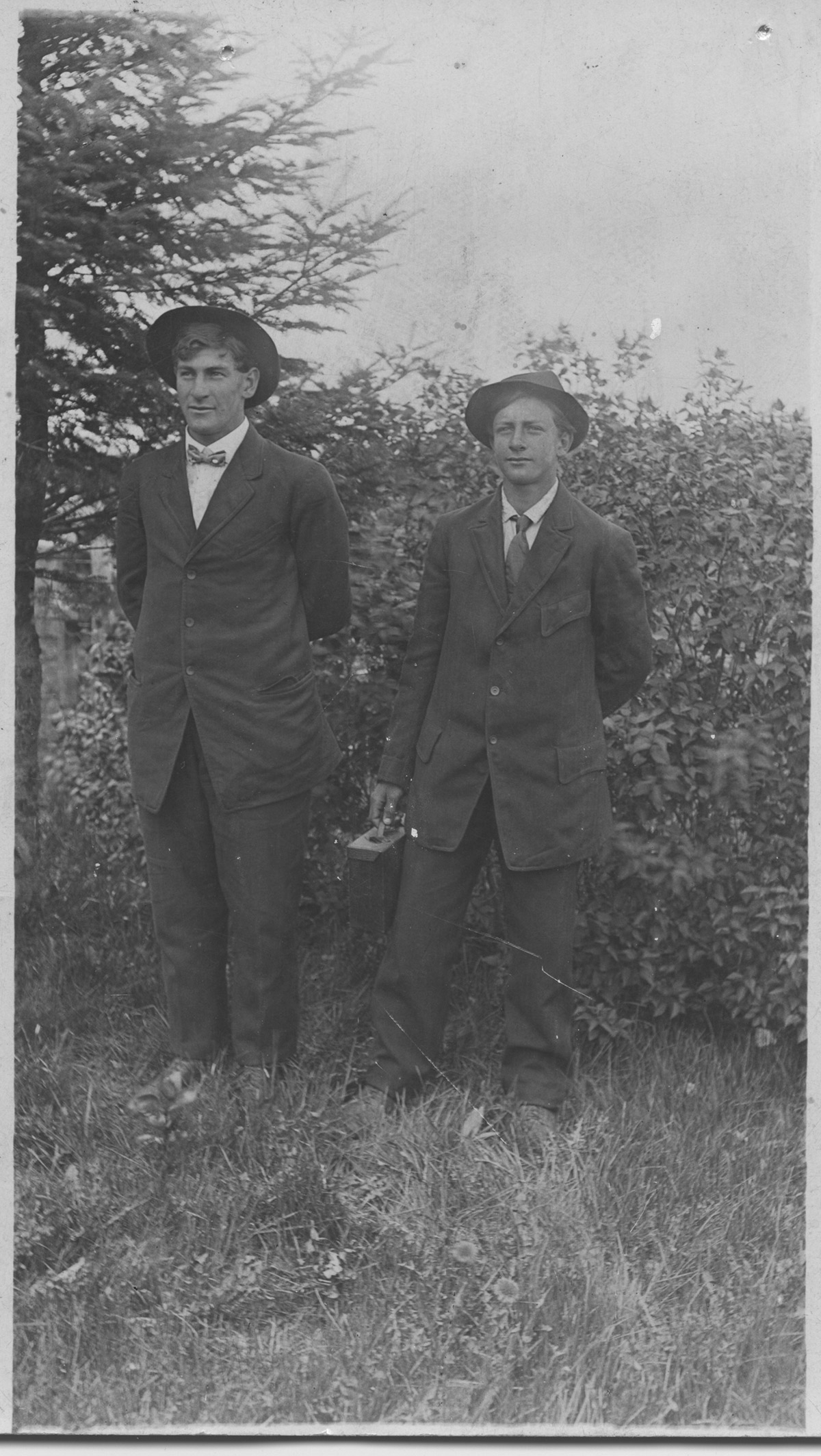
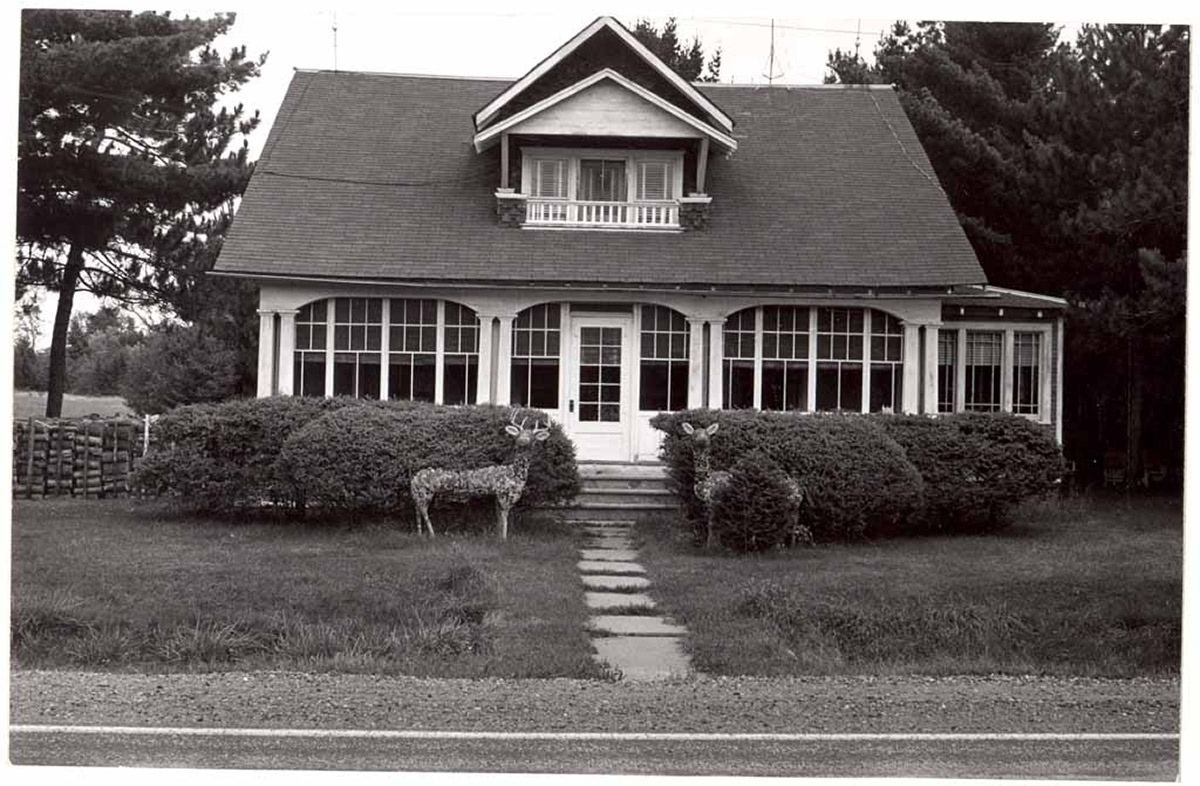
Smith homesteaded 120 acres just south of Phillips, in 1903, where he raised five children with his wife Alta. He grew ginseng, which he sold to New York markets, and raised Christmas trees, which he sold locally. The original Smith house burned in 1922, and was replaced with a sturdy, Craftsman style house that may have been ordered from Sears and Roebuck. Smith transformed the south-facing sun porch into a plant-filled Rock Garden Room for Alta. A long brick trough filled with a rock-scape featured a fountain with running water. Right outside was Smith’s elaborate Rock Garden.
1936
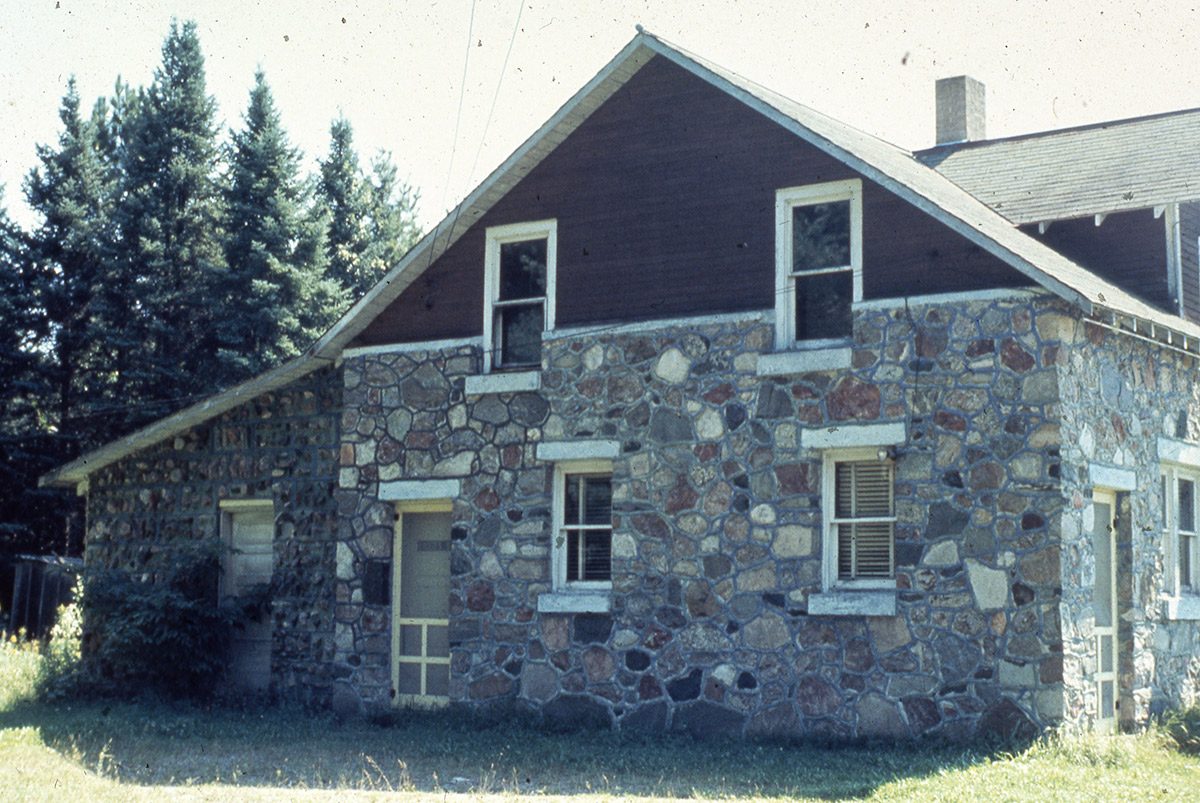
Smith built his Rock Garden Tavern south of the Rock Garden in 1936, with John and Albert Raskie. The Raskie brothers had built impressive stone buildings in the area, using fieldstone with tinted, rope-style mortar joints. He made ingenious, homemade concrete blocks for an addition to the Tavern. He painted signs and images on boulders around the driveway. Smith recalled,
I just had Rhinelander beer. Only one beer! I bought a truck load of beer every time we went to Rhinelander. 200 cases every time.
1948
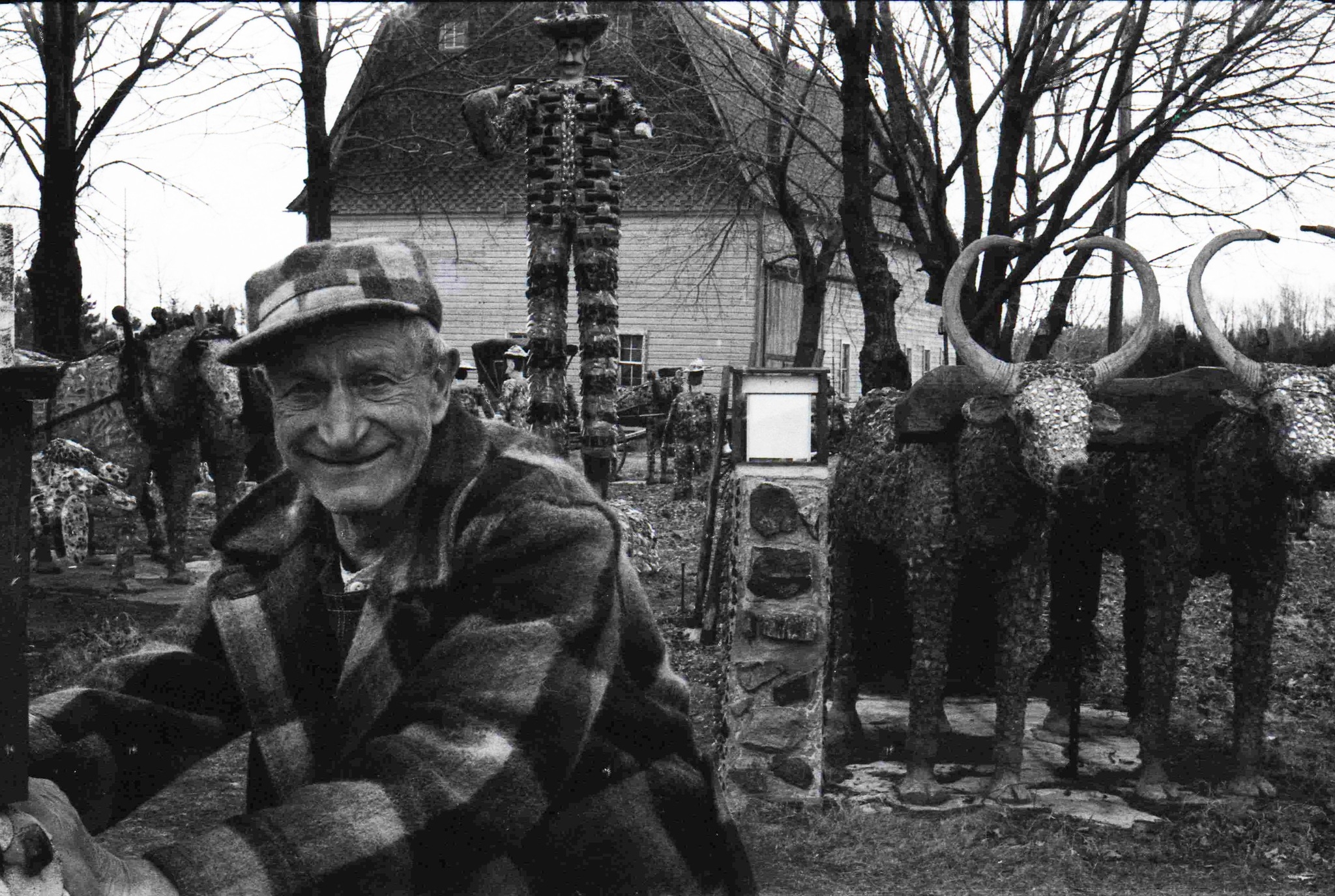
In about 1948 Smith stopped working in the lumber camps. It’s been said that he retired due to his severe arthritis, but his long days of rigorous physical work were far from over. He launched into a 15-year creative burst in which his home and tavern landscapes became his studio. The scale of lumber work, popularly portrayed in the Paul Bunyan tall tales, undoubtedly influenced Smith’s larger-than-life approach to his art. He didn’t set out to create 237 life-size and larger-than-life sculptures in fifteen short working seasons, which would seem ambitious for most, but especially for a man nearly crippled with arthritis. Like many artists, his work evolved out of a love for making, for working and thinking with his hands. He made sculptures honoring Native American Indians, regional settlers, local myths and legends, figures and animals, and events of national, local and deeply personal significance. He said,
Nobody knows why I made them, not even me. This work just came to me naturally. I started one day in 1948 and have been doing a few a year ever since.
He named his roadside attraction the
Wisconsin Concrete Park

1960
Smith loved to show visitors his sculpture and was delighted when people showed interest in his work. Although a few local people admired his work, many people thought he was crazy; some considered the site an eyesore and hoped it would be destroyed. Smith knew his work was important and that it was essential for people not only to see it, but to see it exactly where it was built. He only made one sculpture (a deer) for a friend, and refused to sell anything or to accept commissions. He said,
I welcome visitors. I like to watch their reactions. But I never sell any ‘cause it might spoil it for others.
1964
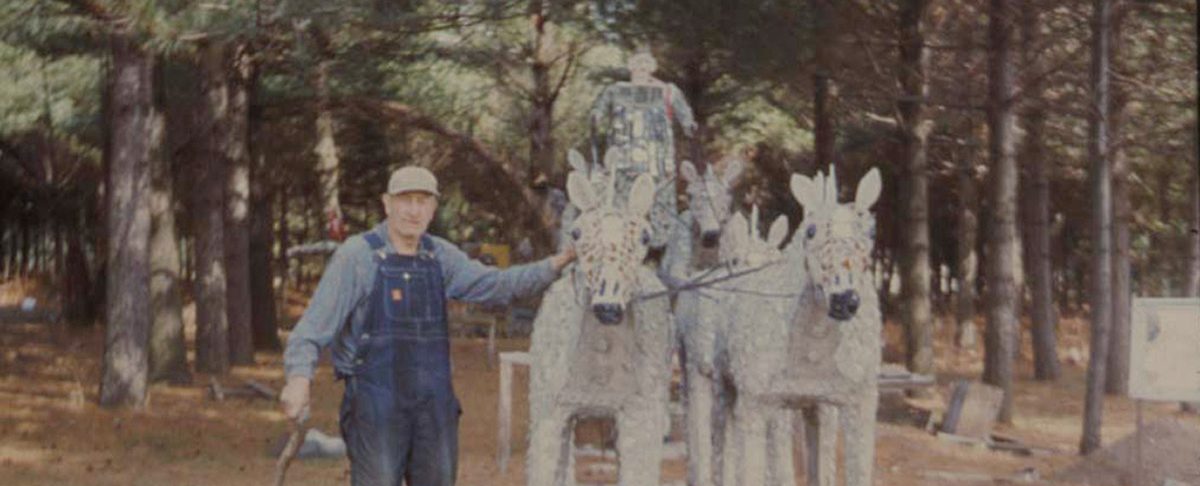
In 1964, shortly after Smith finished the last horse in his Budweiser Display, he suffered a stroke. He was moved to a rest home in Phillips, not far from the Park. Years later he described the incident to Jim Zanzi,
I remember when I finished the last of the Bud Beer horses…Yeah, I finished them and they were just right. The next morning I woke up and I didn’t know where I was at. The kids were around and they went and got Doc Nebor and he said “this man is dead”. I looked up at him and said I’m going to have a lot of fun with my time!
1975
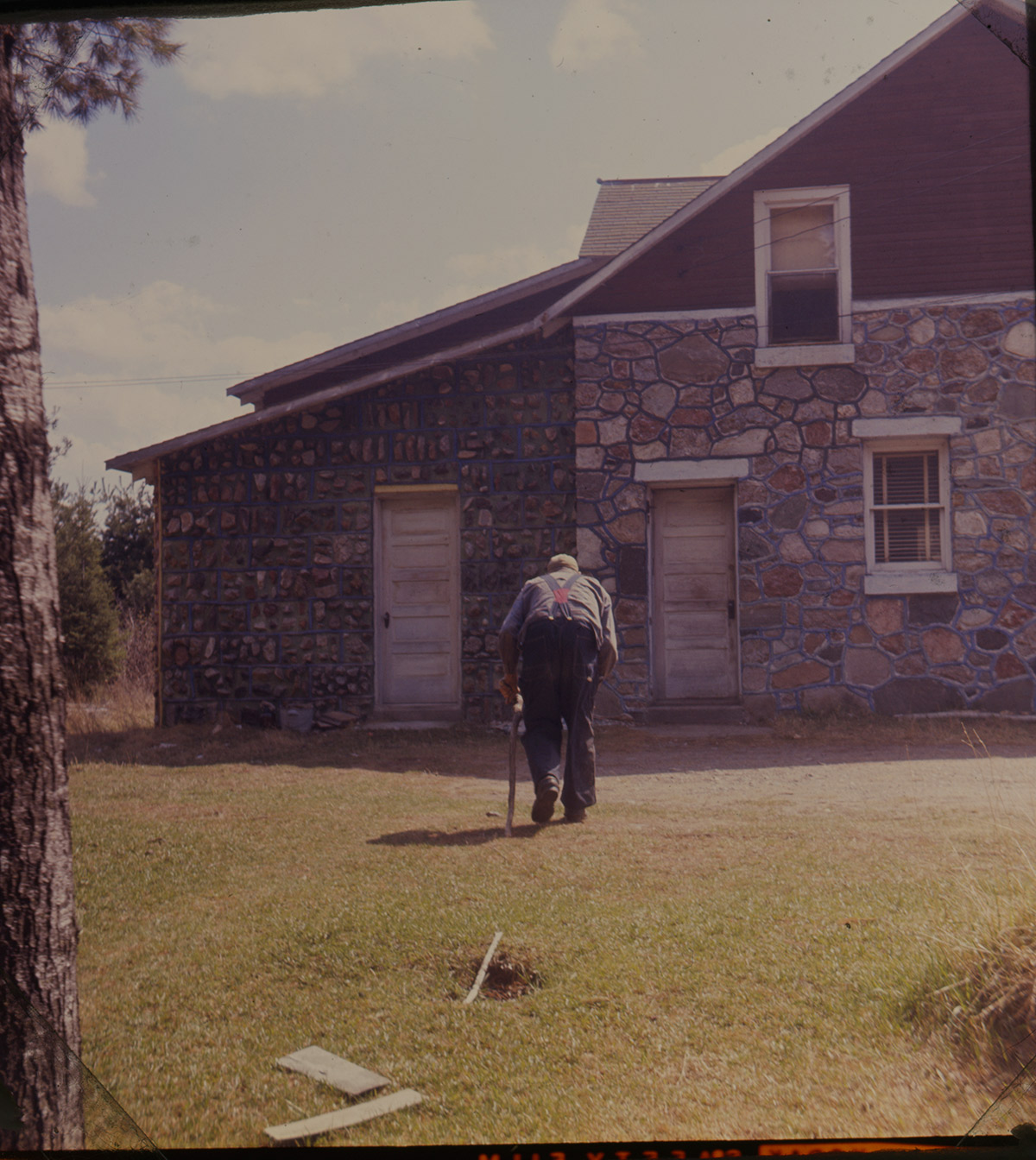
Smith spent his last eleven years in the rest home, dreaming of sculptures that he could no longer build. Early in 1976 he told Zanzi,
Pretty soon I’m going over the moon.
He died on February 21st that year. Smith is buried with his wife Alta in Lakeside Cemetery in Phillips. Friends and admirers continue to pay homage by ornamenting his grave.